Why wellness matters now and how it relates to our health?
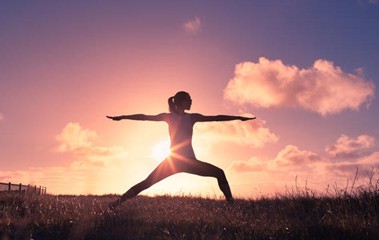
Wellness is not traditional health care focused solely on treating illnesses. It emphasises living well — mind, body, spirit, environment. The term “wellness” has moved from a niche aspiration to a cultural, economic, and political phenomenon. Wellness centers are rapidly springing up in hospitals, clinics, and fitness centers. The shift matters because we are facing new health threats (chronic disease, mental ill-health, lifestyle stress), globalisation, and overuse of technology.
Health is foundational, wellness is aspirational. Why wellness now matters? Let’s find out.
History of Wellness: From Ancient Medicine to Modern Wellness
What is wellness? It’s a state of being in being healthy in body, mind, and spirit. Thousands of years ago, societies in Asia, Greece, Persia, and the Americas had medical systems that focused on the whole person. They understood that good health comes from balancing body, mind, and spirit.
In India, yoga, meditation, and Ayurveda have existed for thousands of years. Ayurveda means “the science of living.” It is now popular in spas and wellness centers. Besides, Yoga and meditation have greatly influenced modern fitness, vegetarian diets, stress management, and anti-aging practices.
Ancient China developed a holistic medicine system based on herbs, diet, acupuncture, and qigong 2200 years ago. It is a practice for managing internal energy. Tai chi and qigong are now widely practiced worldwide. Acupuncture is licensed in 45 U.S. states. Other cultures, including Native Americans, Persians, and shamanic traditions, also had
holistic health practices.
In ancient Greece and Rome, bathing was not only for cleanliness but also for relaxation and social life. A concept that is related to wellness.
Hippocrates, the father of Western medicine in Greece, said:
“Let your food be your medicine, and your medicine be your food.”
Now, let’s talk about the history of wellness in the Western regions. Early Americans valued lifestyle as a key to health. Benjamin Rush (a signer of the Declaration of Independence and physician to George Washington) warned that medicine should not be controlled by one group.
Halbert L. Dunn (1959) introduced the idea of “high-level wellness” in the American Journal of Public Health. John Travis (19720) developed the illness-wellness continuum, showing health as a spectrum.
Dr. Travis also created the Iceberg Model of Health. This model shows that illness is only the visible tip of the iceberg. Below the surface are deeper causes of health problems. In 1975, Dr. Travis opened the first wellness center in the U.S. (Wellness Resource Center in Mill Valley, California). The importance of wellness is more than ever.
Why Wellness Now Matters: Politics, Culture, and Civilization
Wellness is not a private matter. The concept is deeply political and cultural. How? The UK seminar series “Politics of Wellbeing” explored how well-being became part of public policy and governance.
For example, countries like Sweden provide free or affordable medical care and mental health support. People there generally experience higher wellness. In Japan, cultural practices like daily walking and healthy traditional diets promote physical and mental wellness. Cities with clean water, sanitation, and parks help people maintain better overall health and well-being. For example, Singapore.
Meanwhile, cultural historians note that the 1970s wellness movement was “much more practical, accessible, and political” than today’s luxury-wellness industry.
At the same time, critiques of wellness culture reveal concerns: that the industry can exclude or privilege certain groups, intertwine with lifestyle politics, or even be co-opted into political ideologies of purity and exclusion.
Thus, wellness sits at the intersection of individual health, collective culture, social justice, and power.
The Intersection of Health and Wellness
Health—that is, physical, mental, and social well-being—is the starting point. But wellness extends further: it is an active process of making conscious choices to live well. According to one definition: “Wellness is an active process through which people become aware of, and make choices toward, a more successful existence.”
In practical terms, health care might treat hypertension; wellness encourages lifestyle, stress management, sleep quality, community connection, and purpose.
The modern wellness movement “has raised awareness of the shortcomings of our ‘sick care’ model and the importance of self-care and community care approaches.” Global Wellness Institute
The intersection is timely: with rising chronic disease, mental health burdens, ageing populations, and environmental stressors, focusing only on treating illness is insufficient. Wellness offers a broader framework.
Economical Boom of Wellness-Related Programs and Products
The wellness market has already gone big economically. According to the Global Wellness Institute, the global wellness economy is about to hit $9 trillion by 2028.
Even technology is changing in the wellness industry. Wearable, self-tracking apps, telemedicine, and AI-driven health wellness tools are becoming more popular. Companies are introducing wellness apps for employees. These are all a part of the wellness ecosystem. The technology can help in transforming reactive health care into proactive wellness management. But it also puts into question data, equity, and commercialization.
As a result, wellness is no longer a private interest but also a significant area of the economy, technological innovation, travel, and culture—thus it has a tangible influence.
Wellness Practices Across Geographies
Wellness has become entwined with travel and places: spa resorts, wellness retreats, and destination wellness tourism. But even beyond luxury travel, many places draw on traditional health wisdom. For example, thermal baths in Europe, Ayurveda retreats in India, and mindfulness retreats in Japan.
The cultural heritage of wellness—from ancient Greece’s bathing practices to a modern holistic resort—traces how place, environment, and culture matter.
When we travel, we often seek more than sightseeing: we seek restoration, reconnection, meaning. Wellness places offer that. Thus, the intersection of travel, culture, and wellness is growing.
Final Words
Hope you understand why wellness matters now. Wellness is more than a trend. It is a movement rooted in history, ancient wisdom, and modern research. It’s a practice that teaches us that health is about more than avoiding illness. True wellness requires balance and attention to mental and spiritual health. You will find wellness practices everywhere.
From yoga classes to wellness centers, from dietary supplements to coaching programs, people are learning to take control of their health.
Why is wellness important in modern society?
Health means being free from illness or injury. Wellness is the active process of making choices that lead to a healthy, fulfilling life—physically, mentally, and emotionally.
What is the 5 2 1 0 rule?
The 5-2-1-0 rule is a simple guide for healthy living:
● 5 — Eat at least five servings of fruits and vegetables a day.
● 2 — Limit screen time to two hours or less.
● 1 — Get at least one hour of physical activity daily.
● 0 — Avoid sugary drinks and drink more water instead.
.
Can you rest without sleeping?’
Yes. Rest and sleep are different. Rest means relaxing your body and mind, even if you are awake. You can rest by meditating, reading, or sitting quietly. But sleep is still important for full recovery.
What are the 5 steps to wellness?
Here are the 5 steps to wellness that everyone should follow to lead a happier life:
- Eat healthy and stay hydrated.
- Exercise regularly.
- Get enough sleep and rest.
- Manage stress through relaxation or hobbies.
- Build positive relationships and stay connected.
What are the principles of wellness?
Here are 8 principles of wellness
- Balance
- Nutrition
- Exercise
- Sleep
- Stress management
- Social connection
- Purpose in life
- Continuous self-improvement
0 Comments
- No comments yet. Be the first to share your thoughts.
Join the Conversation
Have thoughts on this article? Share your perspective on Instagram or X (Twitter).